Hardwood Charcoal: The Ultimate Guide for Grilling, Smoking, and Eco-Friendly Fuel
There’s something special about cooking over lump charcoal or premium hardwood charcoal. The rich, smoky aroma, the intense heat, and the natural flavors it imparts to meat and vegetables make it a staple for outdoor cooking enthusiasts. From backyard BBQs to professional kitchens, using natural charcoal for grilling can elevate your meals like nothing else.
In this guide, we’ll explore everything about hardwood charcoal: its types, benefits, production process, storage, and eco-friendly uses. Whether you’re a beginner griller or a seasoned pitmaster, this post will help you get the best results from your next cookout.
What is Hardwood Charcoal?
Hardwood charcoal is produced by slowly heating dense hardwoods like oak, maple, hickory, and beech in a low-oxygen environment. This process, called carbonization, removes water and volatile compounds, leaving almost pure carbon. The result is a fuel that burns hotter, cleaner, and longer than softwood or chemical-based alternatives.
Unlike briquettes made from softwood or added fillers, lump charcoal made from hardwood provides:
Consistent, high heat
Minimal smoke
Authentic, natural flavor for grilled food
Types of Charcoal for BBQ
Choosing the right charcoal can make or break your BBQ. Here are the most popular types:
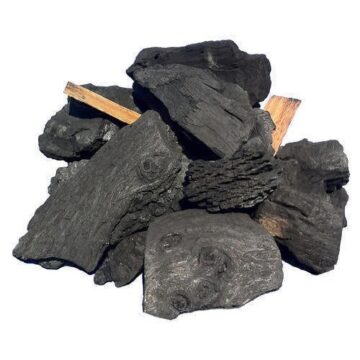
1. Lump Hardwood Charcoal
Lump charcoal is made entirely from pure hardwood. Its irregular shapes allow airflow, producing intense heat and subtle smoky flavor. It’s perfect for searing steaks, grilling fish, or roasting vegetables.
Advantages:
Burns hotter than briquettes
Minimal additives
Enhances natural flavors
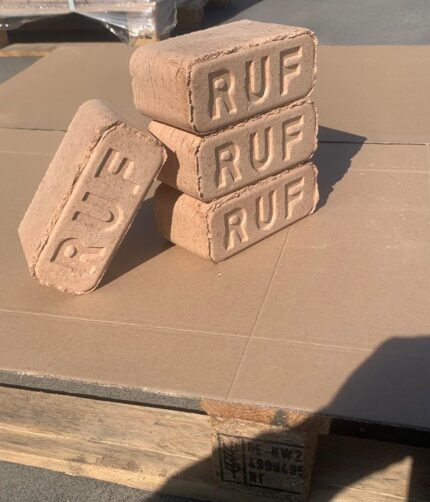
2. Hardwood Briquettes
Briquettes are compressed charcoal, often with natural binders. They burn longer than lump charcoal and are excellent for slow cooking or smoking meats.
Advantages:
Even heat distribution
Long-lasting burn
Ideal for extended cooking sessions
3. Flavored Hardwood Charcoal
Some charcoals are infused with hickory, applewood, or cherrywood flavors. These varieties add distinctive aromas without the need for extra wood chips.
Benefits of Using Hardwood Charcoal
High-quality hardwood charcoal offers several benefits beyond ordinary fuel:
1. Superior Flavor
Grilling with lump or briquette hardwood charcoal gives food a rich, smoky taste that softwood or chemical charcoals can’t match.
2. High Heat & Long Burn Time
Lump charcoal can reach temperatures over 1,100°F (593°C), ideal for searing and roasting. Hardwood briquettes maintain heat for hours, perfect for slow-cooked meals.
3. Cleaner & More Eco-Friendly
Natural charcoal produces less ash and smoke, making it healthier for both you and the environment. Many premium brands also source wood sustainably.
4. Versatility
Besides BBQs, hardwood charcoal can be used for:
Smoking meat and fish
Camping fires
Biochar for soil improvement
Water purification
How Hardwood Charcoal is Made
Understanding the production process ensures you choose high-quality charcoal:
Selecting Hardwood: Dense woods such as oak, maple, and hickory are preferred.
Carbonization: Wood is burned in a low-oxygen kiln, removing moisture and volatile compounds.
Cooling & Packaging: Charcoal is slowly cooled, sorted, and packaged for sale.
Pro Tip: Always select 100% natural charcoal for the best flavor and clean burn.
Hardwood Charcoal vs. Softwood Charcoal
| Feature | Hardwood Charcoal | Softwood Charcoal |
|---|---|---|
| Source | Dense hardwood trees | Pine, cedar, resinous trees |
| Burn Temperature | High, consistent | Lower, uneven |
| Flavor | Rich, natural, smoky | Harsh, resinous |
| Burn Duration | Long-lasting | Burns fast |
| Smoke | Minimal | Heavy smoke, sap smell |
Best Practices for Grilling with Hardwood Charcoal
Lighting Charcoal: Use a chimney starter or natural fire starters instead of chemicals.
Heat Control: Create a two-zone fire for searing and indirect cooking.
Enhancing Flavor: Add wood chips like hickory, cherry, or apple for extra smoky aroma.
Cleaning Up: Allow coals to burn out completely before disposing of ash safely.
Storing Your Charcoal
Proper storage ensures longevity and safety:
Keep in a dry, airtight container
Store in a cool, ventilated area
Avoid exposure to moisture to prevent premature ignition
Sustainable and Eco-Friendly Aspects
Many brands offer sustainably sourced hardwood charcoal, reducing deforestation and environmental impact. Premium options may even be FSC-certified, ensuring responsible forestry practices. Using eco-friendly charcoal benefits:
Forest conservation
Reduced carbon footprint
Support for local communities
Popular Hardwood Charcoal Brands
Some trusted brands in 2026 include:
Royal Oak Hardwood Lump Charcoal
Fogo Premium Hardwood Charcoal
Jealous Devil Lump Charcoal
Rockwood Hardwood Briquettes
Focus on all-natural, long-burning options for the best BBQ results.
Tips for a Perfect BBQ
Preheat: Wait until coals are glowing red.
Two-Zone Fire: Sear meat over high heat, cook slowly over indirect heat.
Use a Meat Thermometer: Prevent overcooking while maintaining smoky flavor.
Keep the Lid Closed: Retains heat and smoke.
Experiment with Wood Chips: Choose flavors that complement the meat.
Other Uses of Hardwood Charcoal
Water Filtration: Activated charcoal absorbs toxins.
Soil Improvement (Biochar): Enhances soil fertility and retains moisture.
Odor Neutralizer: Removes odors in homes or refrigerators.
Art Supplies: Used in sketching and artistic applications.
Whether you’re grilling, smoking, or using it for eco-friendly applications, hardwood charcoal is a superior choice. Its long-lasting heat, clean burn, and natural flavor make it perfect for BBQ enthusiasts and professionals alike. By selecting premium, sustainably sourced charcoal, you can enjoy delicious meals while supporting responsible environmental practices. Upgrade your BBQ game today with high-quality natural charcoal!